

: )

The Influence of a Place
It’s hard to describe the experience of visiting Machu Picchu. People who’ve visited like to call it “breathtaking.” While cliché, it’s not inaccurate. How often are you standing on an Andean peak, walking through thousand-year-old ruins, looking down on the clouds? For the average person like myself, the feeling is momentous. Visiting Machu Picchu evoked the kind of awe that my childhood brain produced regularly — the kind of awe that’s since faded from my daily life.

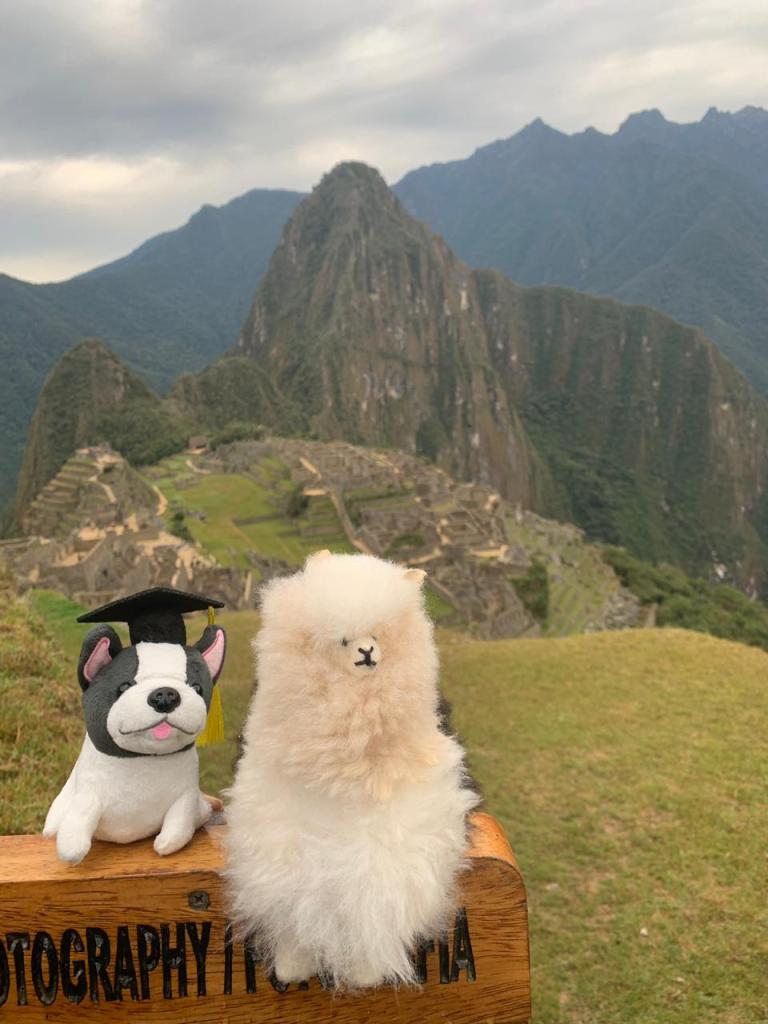

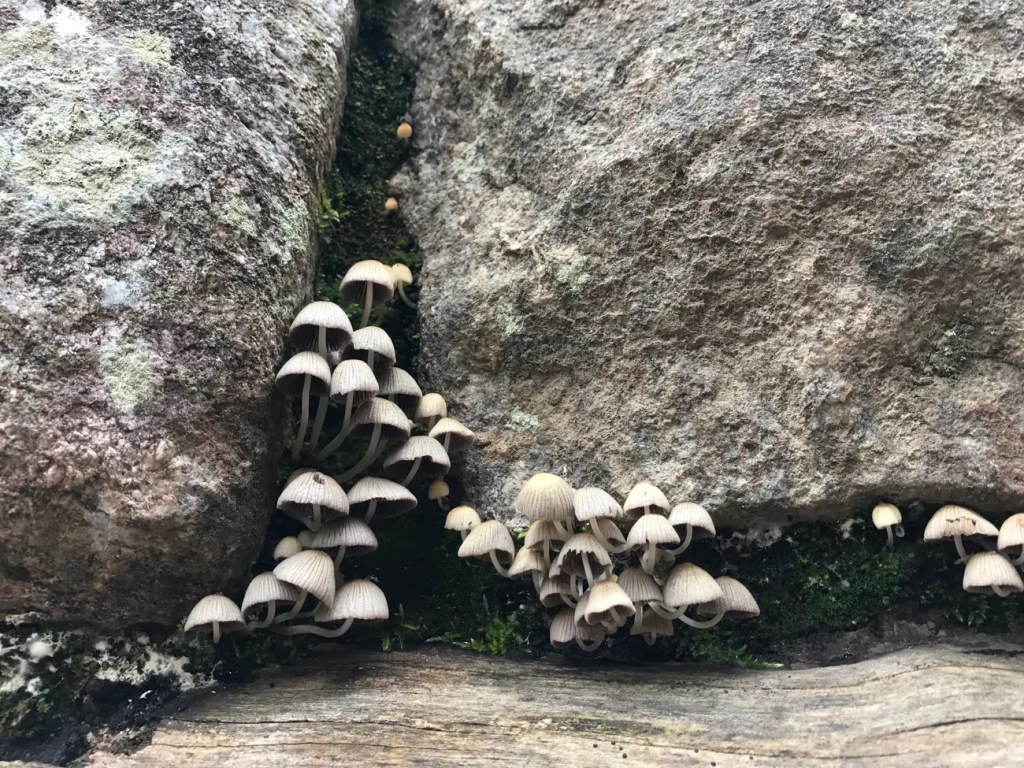
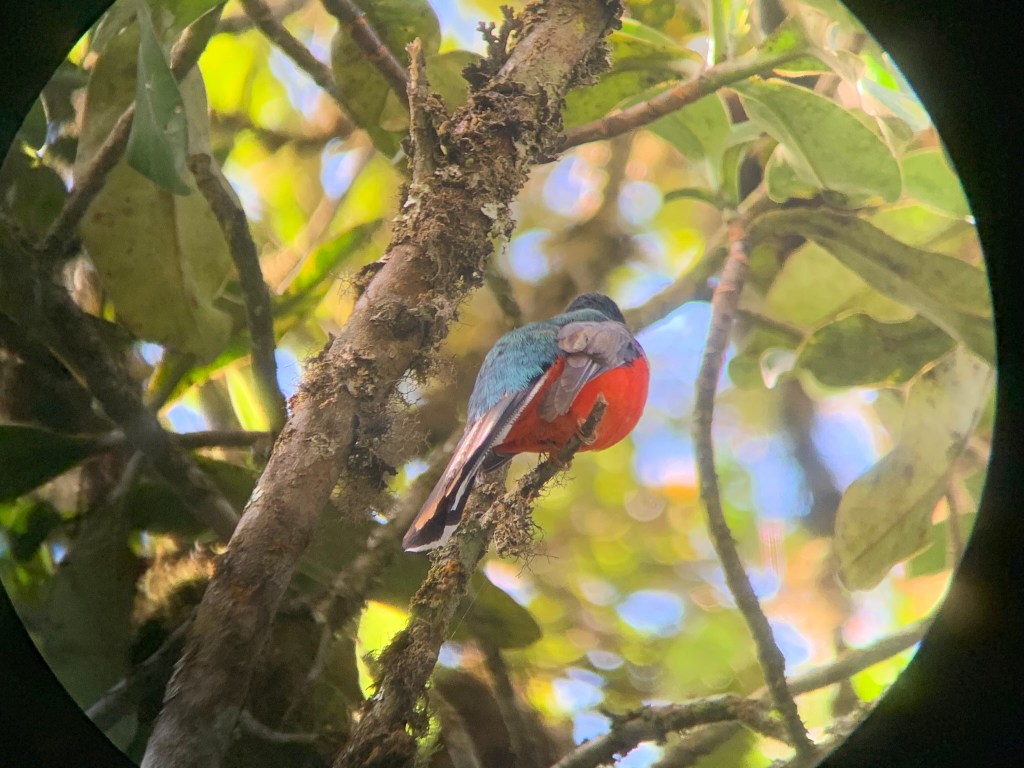
There are even magical little details like these fantastical mushrooms growing in the cracks of ancient walls and colorful wildlife that can be spotted in the various trees scattered amongst the ancient grounds.


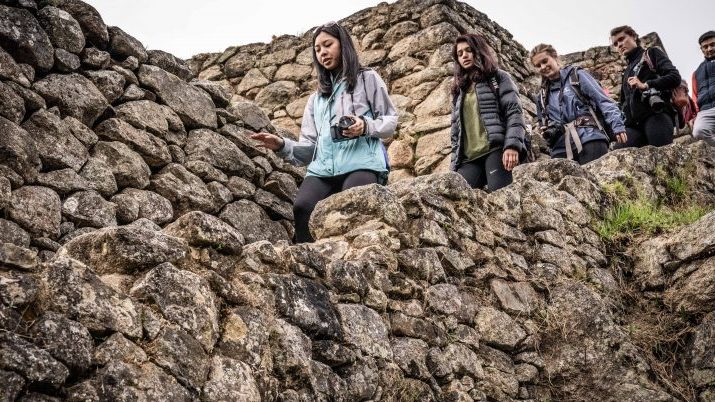
Machu Picchu is a UNESCO World Heritage site, and it’s maintained strictly. The white line on the ground in the image below is one of many boundaries maintained between tourists visiting and the original structures. Park rangers are all over the site as well, making sure that tourists don’t do anything they shouldn’t.

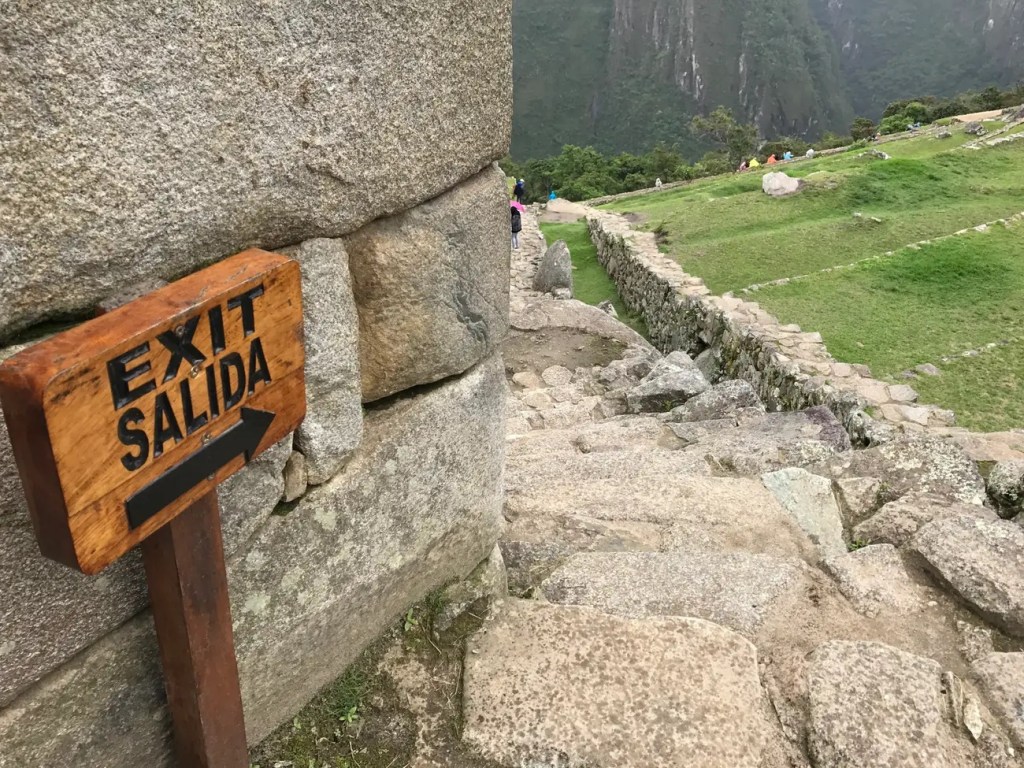
The paths represent a fine line, a space, that flows between the culture of tourism and the wilderness of Machu Picchu. There is a sense of comfort brought by the ropes that guide your every step and the masses of people surrounding you as you explore. At the very same time, however, there is some sense of wild and unfamiliar and sometimes there’s even a sense of danger. Despite Machu Picchu being a major tourist destination and a world heritage site — there’s danger around every turn. Notice that there’s no guard rail here, for instance.
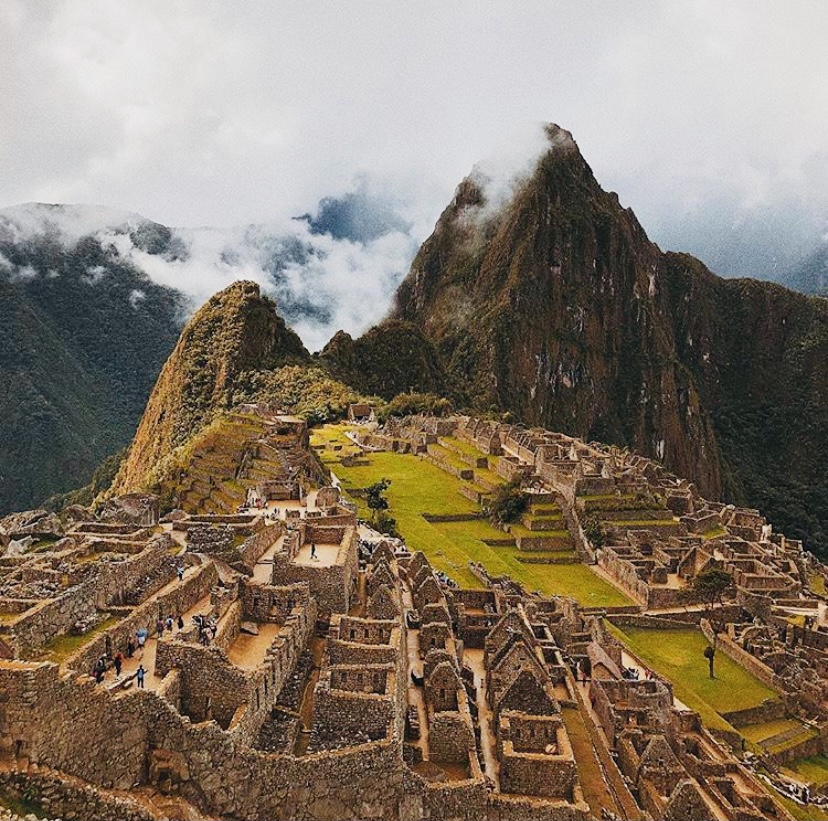
Machu Picchu is not only a beautiful sight to behold but it is a place of learning. This reminded me of a reading titled, “Making Creative Knowledge Cities,” which describes how local context matters when you’re making decisions, and that people need to, “Be aware of the city’s role as a center of higher education” (7). Machu Picchu is a historic landmark that we can learn a lot from including architecture (though it still remains a mystery to how exactly the Incans built Machu Picchu), accounting, irrigation, respect for the earth, and superfoods.



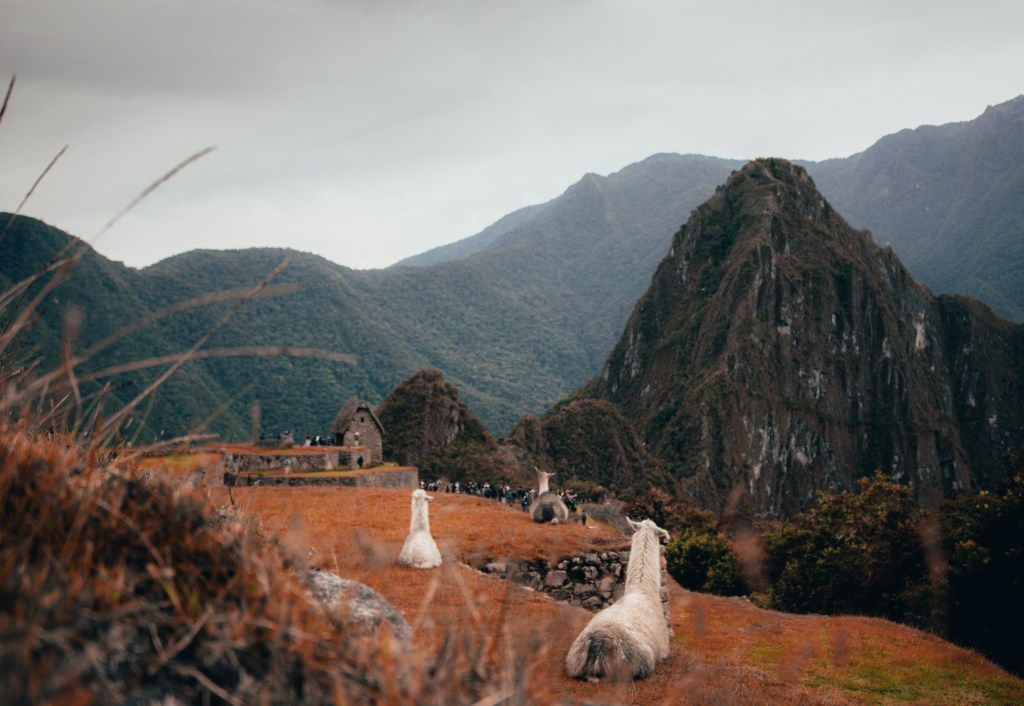
The journey around Machu Picchu is a fascinating one. It’s a journey spent walking up hundreds of years-old staircases, winding through gorgeous vegetation, while at the very same time avoiding large tour groups. In many ways, I would relate this experience to the concept of ‘the liminal.’

One of the best parts of the experience is feeling like an ancient explorer. Though there are groups of tourists being guided around Machu Picchu, you’re just as likely to find yourself completely alone in this magical place — ruins to one side, mountaintop jungle to the other. I can’t quite put into words how that feels.
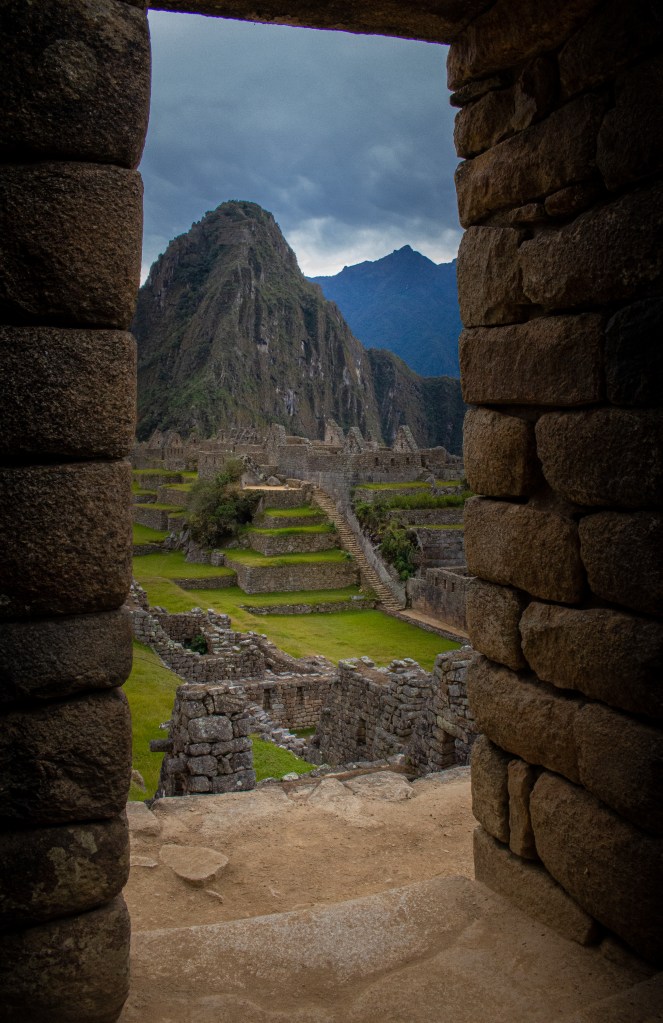
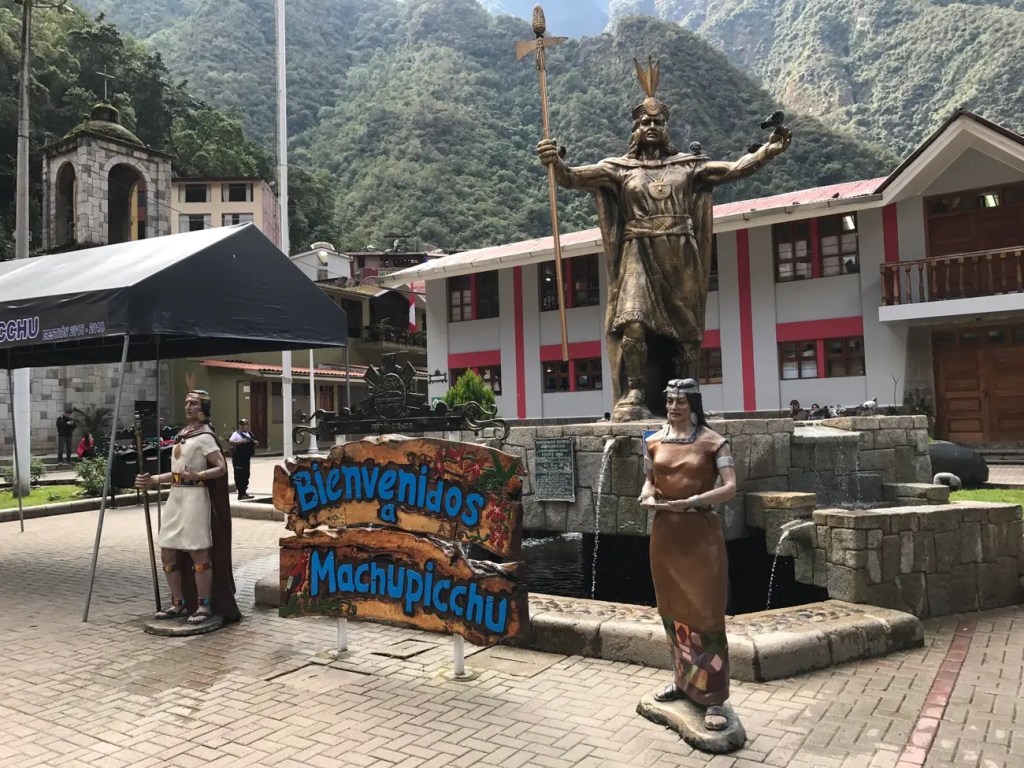
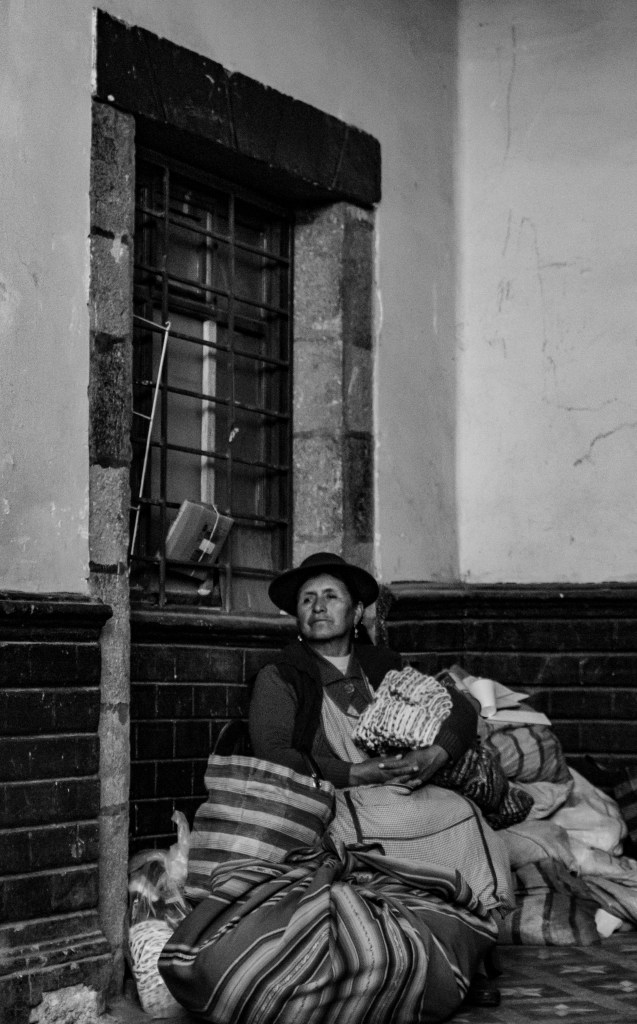
Machu Picchu has also become an important source to help sustain Peru’s economy. According to a Smithzonian magazine, tourism at Machu Picchu now boosts Peru’s economy to more than $40 million a year. Aguas Calientes, a town constructed at the base of the mountain, has become a tourist mecca with more than a hundred hotels, souvenir shops, and restaurants. There’s a small market with locals selling everything from bottled water to alpaca sweaters. I picked up a great hat for just five soles (about $1.50). Perurail, a railway owned by Cuzco runs to the base of the mountain, where a bus takes tourists to the top.

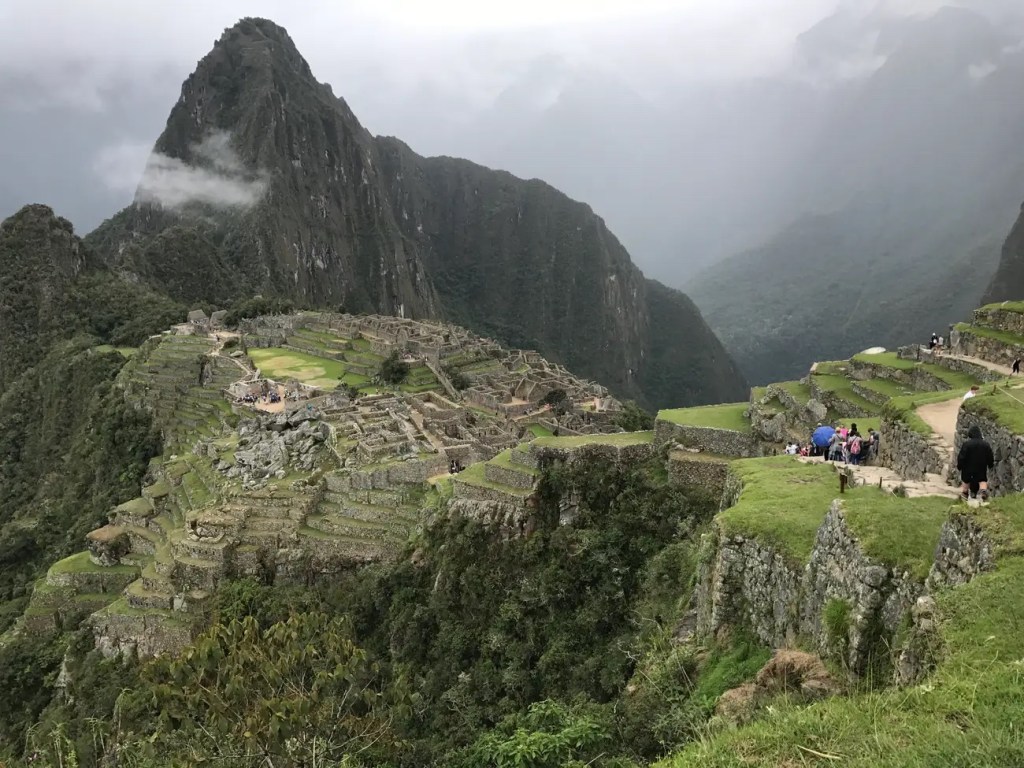

In summation, Machu Picchu is a breathtaking space that evokes a sense of awe, imagination, and insight upon its visitors as they walk the line between the comfort of structured adventure and the danger of exploring the unknown.
 Ford Going Further